ES ▾
Sanitización bioactiva en Detroit, MI
Profesionales de desinfección bioactiva con licencia en Detroit que utilizan métodos ecológicos y eliminación responsable: precios honestos, programación rápida y trabajo bien hecho.
Qué incluye
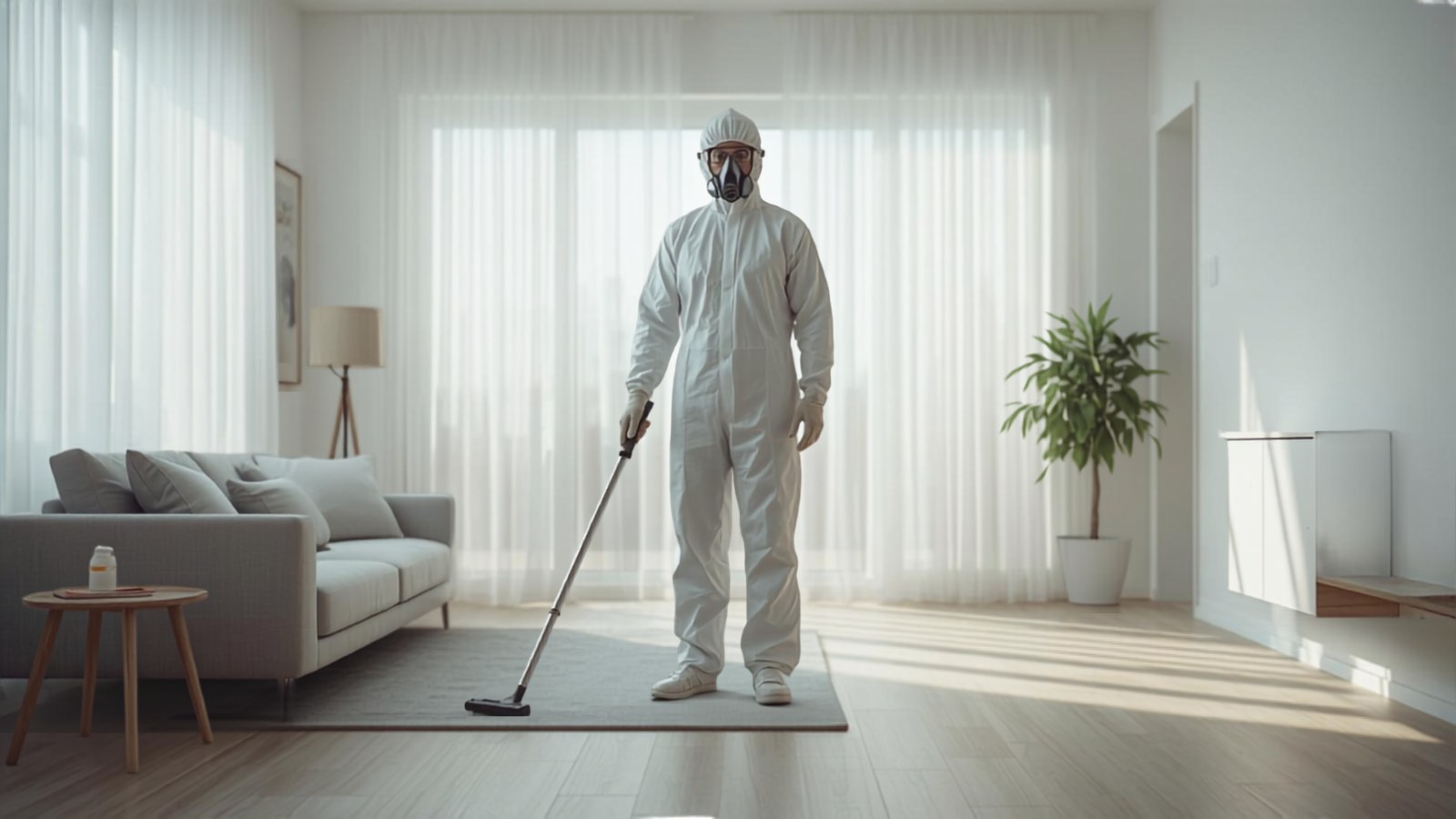
Desinfección Bioactiva
Desde reparaciones urgentes hasta instalaciones planificadas, el equipo con licencia de Traffic Accident Cleanup Detroit se encarga de la desinfección bioactiva en Detroit, con precio acordado antes de empezar.
How it works
Preguntas frecuentes sobre desinfección bioactiva
¿Ofrecen presupuestos gratuitos?+
¿En qué zonas de Detroit prestan servicio?+
¿Qué métodos de pago aceptan?+
¿Cuánto cuesta la limpieza de biohazards en Detroit?+
¿A quién llamo para una emergencia de limpieza de biohazards en Detroit?+
¿Cómo puedo verificar que una empresa de limpieza de biohazards en Detroit esté licenciada y sea legítima?+
Bio-Active Sanitizing in Detroit
Bio-active sanitizing is a specialized cleaning method that uses biological agents—such as enzymes or beneficial bacteria—to break down organic matter at a molecular level. Unlike standard chemical disinfectants that merely mask or temporarily neutralize contaminants, bio-active solutions work by digesting pathogens, odorous residues, and biofilms that can linger on surfaces long after an accident. In the context of traffic accident cleanup in Detroit, this approach is particularly effective for treating blood, bodily fluids, and other biological hazards that may have seeped into porous materials like upholstery, carpet, or concrete. The process involves applying a targeted bio-active formula to affected areas, allowing it to dwell and react with the contaminants, then rinsing or wiping away the residue. This method does not rely on harsh fumes or volatile compounds, making it safer for occupants and the environment—an important consideration for Detroit homes, businesses, and vehicles where accidents have occurred.
For Detroit properties, bio-active sanitizing offers a deeper level of remediation than typical cleaning. Standard procedures may leave behind microscopic traces of biological material that can emit odors or support bacterial growth over time. Bio-active treatments address this by introducing microorganisms that specifically target the proteins, fats, and carbohydrates found in human fluids. These agents are non-toxic and biodegradable, meaning they break down into harmless byproducts without creating secondary pollutants. In a city like Detroit, where traffic accident scenes can involve complex urban settings—narrow streets, shared driveways, or multi-unit buildings—this precision ensures that recontamination risks are minimized. The process is also effective on sensitive surfaces such as leather, cloth, or painted metal, which may degrade under strong chemical cleaners. By using bio-active sanitizing, we can restore affected areas to a hygienic state without damaging the underlying materials, which is crucial for preserving property value and