EN ▾
Infectious Waste Control in Detroit, MI
Licensed Detroit infectious waste control pros using eco‑conscious methods and responsible disposal — honest pricing, fast scheduling, and work done right.
What's included
Infectious Waste Control
From urgent repairs to planned installs, Traffic Accident Cleanup Detroit's licensed team handles infectious waste control across Detroit — with an upfront price agreed before any work begins.
How it works
Infectious Waste Control FAQ
How fast can you respond in Detroit?+
Do you provide free estimates?+
Which neighborhoods in Detroit do you serve?+
What payment methods do you accept?+
Who do I call for a biohazard cleanup emergency in Detroit?+
How can I verify a biohazard cleanup company in Detroit is licensed and legitimate?+
Infectious Waste Control in Detroit
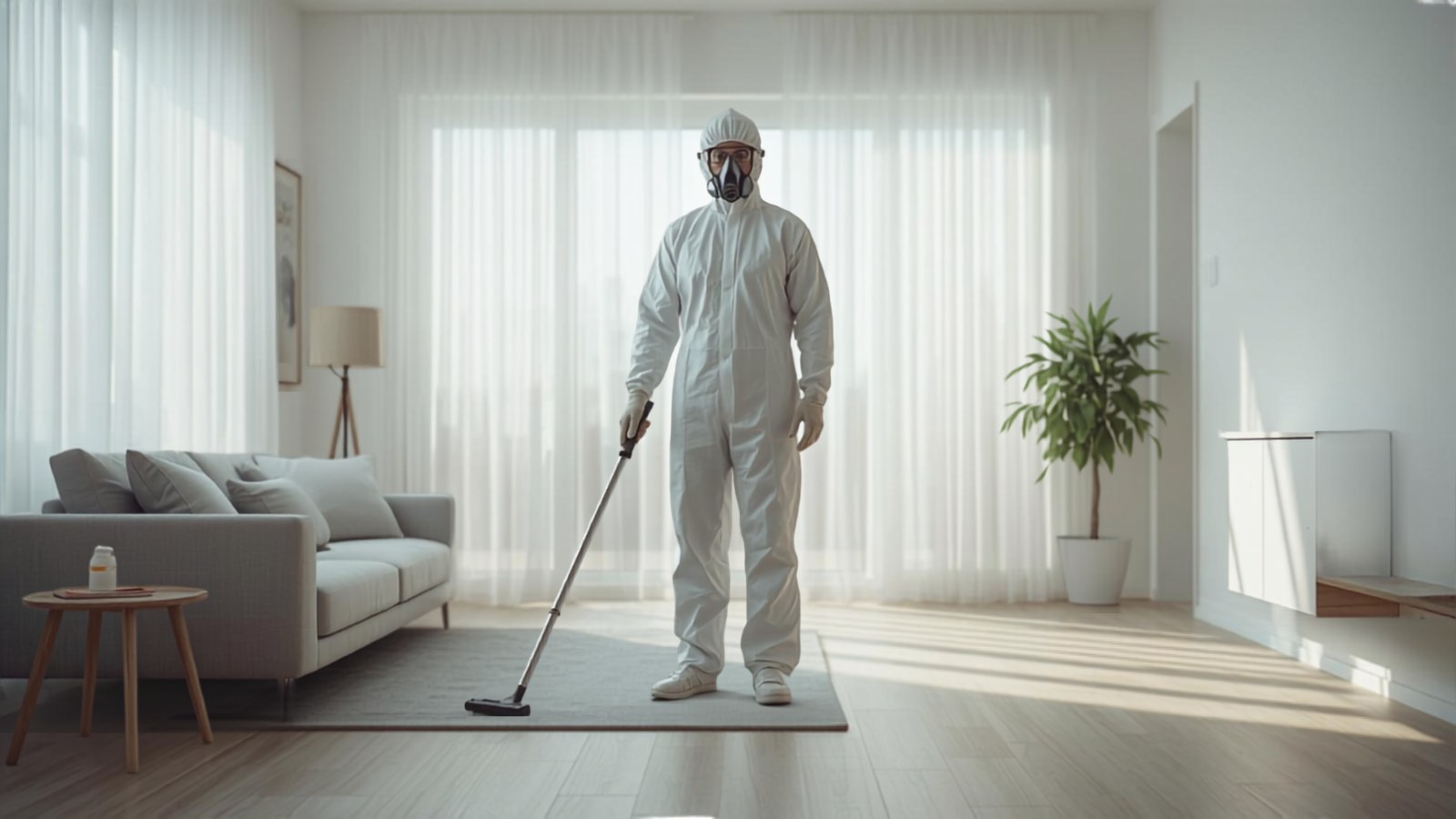
Infectious waste control in Detroit involves the safe containment, removal, and disposal of biologically hazardous materials that result from traffic accidents, unattended deaths, or medical emergencies. This is not routine trash collection—it requires specialized handling of blood-soaked materials, used needles, tissue fragments, and other biohazards that pose serious health risks if improperly managed. At Traffic Accident Cleanup Detroit, the process begins with a thorough assessment of the affected area to identify all contaminated surfaces and materials. Technicians don full personal protective equipment, including Tyvek suits, gloves, and respirators, to prevent exposure. They then use hospital-grade disinfectants and EPA-registered antimicrobial solutions to neutralize pathogens on hard surfaces like asphalt, concrete, and vehicle interiors. All contaminated waste—from saturated carpeting to sharps containers—is double-bagged in red biohazard bags, labeled, and transported to licensed incineration or autoclave facilities. No waste is left on-site, and no untreated materials enter the general waste stream. For Detroit properties, this matters because infectious materials can linger in porous surfaces, driveways, or garages, creating long-term contamination risks for residents, pets, and first responders. Proper control prevents cross-contamination to adjacent homes, schools, or businesses, especially in densely populated neighborhoods where accidents occur near occupied structures.
The work demands precision and speed. After an accident or trauma scene, bloodborne pathogens like hepatitis B, hepatitis C, and HIV can remain viable for days if not properly treated. Technicians use chemical testing to verify that all visible and invisible biological residues are eliminated. They also identify secondary contamination—such as splatter on walls, ceilings, or personal belongings—that might be missed by untrained cleaners. In Detroit, where many properties have older construction with porous materials like plaster or brick, infectious waste control requires additional steps like pressure washing or sealing affected areas to ensure no pathogens remain. The process concludes with a final inspection using UV black lights to detect any missed fluids, followed by documentation for insurance or legal purposes. Every job is treated as a public health intervention, not just a cleanup.
Areas We Cover in Detroit
We serve properties across Detroit, including Airport Sub, Arden Park, the Art District, Aviation Sub, Bagley, and Banglatown. Our coverage extends to landmarks such as -320° Coffee & Creamery, (revolver), ~W~ Liquor Beer Wine Lotto, and 107.5 FM WGPR. Whether the incident occurs in a residential driveway, a commercial parking lot, or a public street, our team arrives prepared for the specific biohazard challenges of each location.
What to Expect
When you call for infectious waste control, you can expect a discreet, professional response. A trained crew arrives in unmarked vehicles to maintain privacy. They set up containment barriers to prevent public access. All contaminated materials are removed and disposed of according to Michigan and federal biohazard regulations. The affected area is cleaned, disinfected, and verified safe for use. You receive a detailed report of the work performed for your records or insurance claims.
For infectious waste control in Detroit, contact Traffic Accident Cleanup Detroit. We handle the hazards so you can focus on recovery.